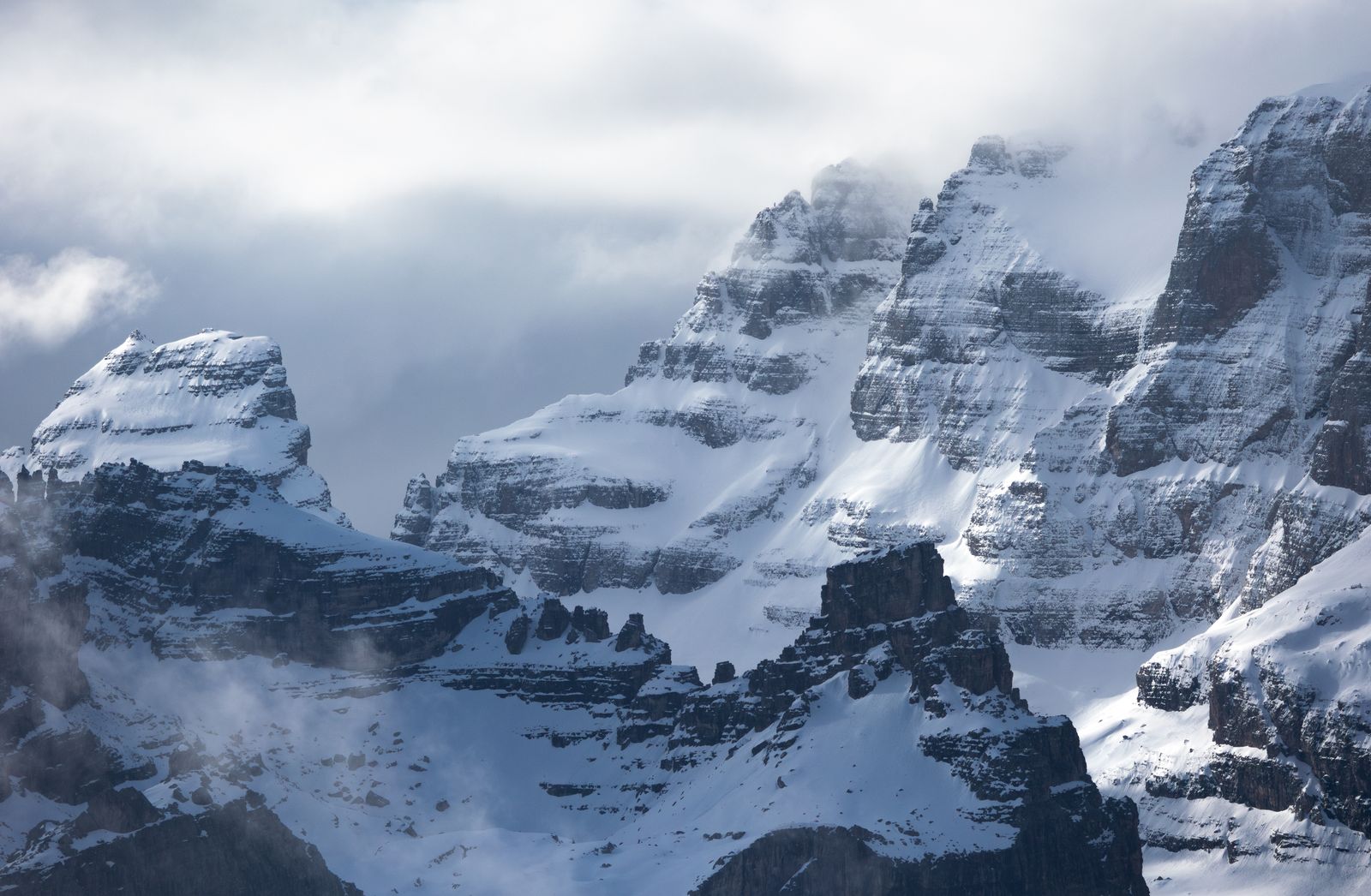
Sant'Antonio di Mavignola: the secret gateway to Val Brenta
Driving along the hairpin bends that climb from Pinzolo towards Madonna di Campiglio, the eye is often caught by the changing landscape: broadleaf woods gradually give way to dense fir forests, while the air becomes crisper. In this transition zone, at just over 1,100 meters above sea level, you come across Sant'Antonio di Mavignola. Too often considered a mere transit point, this hamlet actually preserves a strong identity and represents the natural access point for exploring the western slopes of the Dolomiti di Brenta.
Far from the spotlight of the more glamorous squares, Mavignola offers a concrete immersion into the history of Val Rendena, made up of rural architecture, popular devotion, and border memories, nestled within the perimeter of the Parco Naturale Adamello Brenta.
A leap back in time: the Chiesa di Sant'Antonio Abate Vecchia
The historical heart of the hamlet is undoubtedly the Chiesa di Sant'Antonio Abate Vecchia. This small sacred building is an open-air manual of alpine architecture and art. The first element that catches the eye is the characteristic pitched roof, entirely covered in larch shingles. This local wood, resistant and resinous, reacts to the elements by oxidizing over time, taking on that typical silvery-grey coloring that allows the building to blend in with the surrounding mountain environment.
Inside and on the outer walls, the church preserves valuable frescoes attributable to the Baschenis school. This dynasty of itinerant fresco painters originally from the Bergamo area left an indelible mark on the Trentino valleys between the 15th and 16th centuries. Although attributing works to a single painter of the family is often complex and debated by art historians, the imprint of the "school" is unmistakable: the bold strokes, the colors derived from local earths and minerals, and the distinctly didactic function of the works recount the faith of a rural community that entrusted the protection of its pastures and livestock to the saints.
Echoes of the Great War: Forte Clemp
The mountains surrounding Mavignola are not only a naturalistic paradise but also a severe historical reminder. Walking up the trails that delve into the woods, it is possible to reach the ruins of Forte Clemp.
Built between 1914 and 1915, this military structure was part of the complex Austro-Hungarian defensive system designed to block the path of a possible advance by the Regio Esercito Italiano coming from the Adamello massif or the valley floor. Walking among the massive stone walls of Forte Clemp, enveloped by the silence of the forest, offers a tangible perspective on the hardships and tensions of that tragic historical period. The position of the fort, moreover, was not chosen by chance: from here, the gaze dominates the valley below, in a strategic control point that today offers hikers panoramic views of remarkable breadth.
The rural soul: the masi of Milegna and the woods of Fogajard
To fully understand the essence of Sant'Antonio di Mavignola, you must leave the town center and venture into the areas of Milegna and Fogajard. Here the landscape is shaped by the centuries-old work of farmers and breeders.
The masi of Milegna are an excellent example of human adaptation to the high mountains. These traditional structures usually feature a solid stone base, designed to house animals and provide insulation, topped by a wooden section (often interlocking) designed for storing hay, which was crucial for surviving the long winters. The clearings of Milegna, which open up suddenly among the woods, create a strong color contrast with the dark of the conifers.
Moving towards the Fogajard area, the forest takes over once again. The trails wind through monumental Norway spruces and larches, in an environment that conveys a profound sense of tranquility. It is in these areas that it is easiest to perceive the presence of the rich fauna of the Parco Naturale Adamello Brenta, paying attention to the tracks left by roe deer, red deer, and squirrels.
The gateway to Val Brenta
From a hiking perspective, Sant'Antonio di Mavignola is the privileged access to Val Brenta, one of the wildest and most fascinating valleys of the Dolomite group. Compared to other more frequented entrances, setting off from here means undertaking a more gradual and silent approach towards the cathedrals of limestone rock.
The trails departing from the hamlet connect to the dense network of itineraries on the western side of the Dolomiti di Brenta. Through paths that climb up woods and high-altitude pastures, it is possible to aim for the heart of the massif, getting closer to the imposing vertical walls of the Crozzon di Brenta and the glacial fields.
Practical information for exploration
Visiting Sant'Antonio di Mavignola and its surroundings requires the same cautious approach owed to the high mountains. Here are some useful tips for planning your visit:
- Check opening hours: The Chiesa di Sant'Antonio Abate Vecchia may not be accessible at all times of the year or day. It is recommended to consult the local tourist offices for up-to-date opening hours or the scheduling of any guided tours.
- Trail conditions: Before embarking on hikes to Forte Clemp, Milegna, Fogajard, or the upper Val Brenta, it is advisable to check the condition of the trails and the weather forecast. Conditions at high altitudes can change drastically.
- Clothing: Appropriate equipment, with sturdy trekking shoes and thermal layers, is essential for safely tackling the itineraries of the Parco Naturale Adamello Brenta.
Photo: Marek Piwnicki / Pexels · License Pexels License — Madonna di Campiglio, Trentino (verificata)